
PhD Alumni
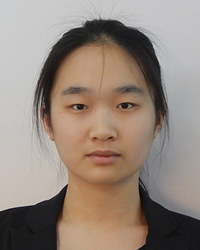
Dr. Xiaoyu Du
University College Dublin
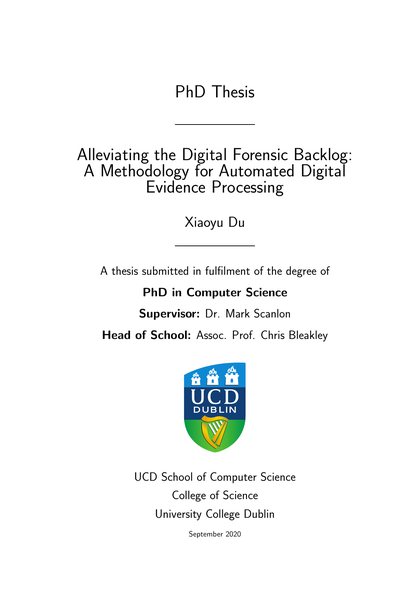
Xiaoyu Du completed her PhD in the School of Computer Science, UCD, under the supervision of Dr. Mark Scanlon.
Her PhD research focused on tackling the digital evidence backlog by expediting digital evidence handling through cloud-based data deduplication.
Research Output
Publications
- 2021
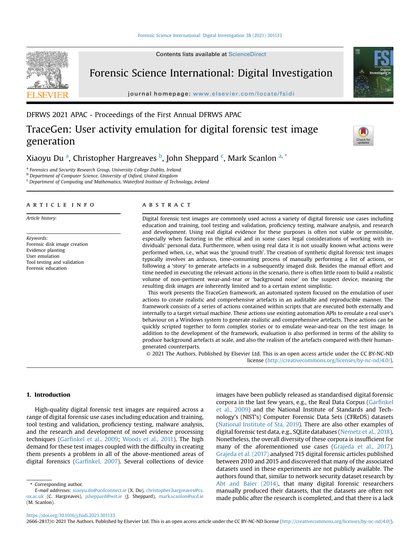 TraceGen: User Activity Emulation for Digital Forensic Test Image Generation
Forensic Science International: Digital Investigation Vol. 38 Article 301133
- 2020
- 2020
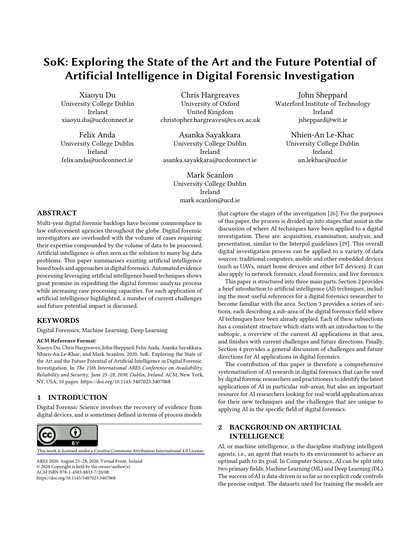 SoK: Exploring the State of the Art and the Future Potential of Artificial Intelligence in Digital Forensic Investigation
The 13th International Workshop on Digital Forensics (WSDF), held at the 15th International Conference on Availability, Reliability and Security (ARES)
- 2020
 Automated Artefact Relevancy Determination from Artefact Metadata and Associated Timeline Events
The 6th IEEE International Conference on Cyber Security and Protection of Digital Services (Cyber Security)
- 2019
 Methodology for the Automated Metadata-Based Classification of Incriminating Digital Forensic Artefacts
The 12th International Workshop on Digital Forensics (WSDF), held at the 14th International Conference on Availability, Reliability and Security (ARES)
- 2018
 Deduplicated Disk Image Evidence Acquisition and Forensically-Sound Reconstruction
Proceedings of the 17th IEEE International Conference On Trust, Security And Privacy In Computing And Communications (TrustCom-18) pp. 1674-1679
- 2017
 Evaluation of Digital Forensic Process Models with Respect to Digital Forensics as a Service
Proceedings of the 16th European Conference on Cyber Warfare and Security (ECCWS 2017) pp. 573-581
- 2017
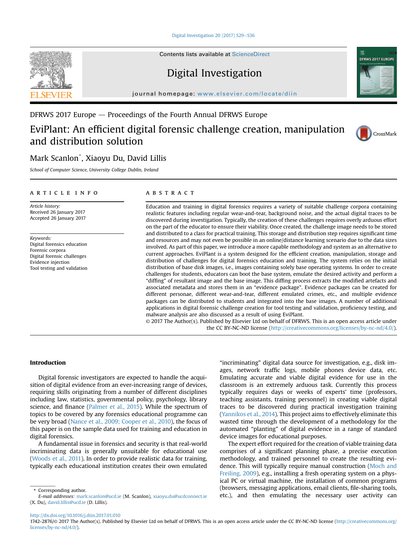 EviPlant: An Efficient Digital Forensic Challenge Creation, Manipulation, and Distribution Solution
Digital Investigation Vol. 20S pp. 29-36
- 2020
- 2020
- 2020Automated Artefact Relevancy Determination from Artefact Metadata and Associated Timeline Events
The 6th IEEE International Conference on Cyber Security and Protection of Digital Services (Cyber Security)
- 2020Automated Artefact Relevancy Determination from Artefact Metadata and Associated Timeline Events
The 6th IEEE International Conference on Cyber Security and Protection of Digital Services (Cyber Security)
- 2018Deduplicated Disk Image Evidence Acquisition and Forensically-Sound Reconstruction
Proceedings of the 17th IEEE International Conference On Trust, Security And Privacy In Computing And Communications (TrustCom-18) pp. 1674-1679
- 2018Deduplicated Disk Image Evidence Acquisition and Forensically-Sound Reconstruction
Proceedings of the 17th IEEE International Conference On Trust, Security And Privacy In Computing And Communications (TrustCom-18) pp. 1674-1679
- 2017Evaluation of Digital Forensic Process Models with Respect to Digital Forensics as a Service
Proceedings of the 16th European Conference on Cyber Warfare and Security (ECCWS 2017) pp. 573-581
- 2017Evaluation of Digital Forensic Process Models with Respect to Digital Forensics as a Service
Proceedings of the 16th European Conference on Cyber Warfare and Security (ECCWS 2017) pp. 573-581
- 2017EviPlant: An Efficient Digital Forensic Challenge Creation, Manipulation, and Distribution Solution
Digital Investigation Vol. 20S pp. 29-36
- 2017EviPlant: An Efficient Digital Forensic Challenge Creation, Manipulation, and Distribution Solution
Digital Investigation Vol. 20S pp. 29-36
- 2019Methodology for the Automated Metadata-Based Classification of Incriminating Digital Forensic Artefacts
The 12th International Workshop on Digital Forensics (WSDF), held at the 14th International Conference on Availability, Reliability and Security (ARES)
- 2019Methodology for the Automated Metadata-Based Classification of Incriminating Digital Forensic Artefacts
The 12th International Workshop on Digital Forensics (WSDF), held at the 14th International Conference on Availability, Reliability and Security (ARES)
- 2020SoK: Exploring the State of the Art and the Future Potential of Artificial Intelligence in Digital Forensic Investigation
The 13th International Workshop on Digital Forensics (WSDF), held at the 15th International Conference on Availability, Reliability and Security (ARES)
- 2020SoK: Exploring the State of the Art and the Future Potential of Artificial Intelligence in Digital Forensic Investigation
The 13th International Workshop on Digital Forensics (WSDF), held at the 15th International Conference on Availability, Reliability and Security (ARES)
- 2021TraceGen: User Activity Emulation for Digital Forensic Test Image Generation
Forensic Science International: Digital Investigation Vol. 38 Article 301133
- 2021TraceGen: User Activity Emulation for Digital Forensic Test Image Generation
Forensic Science International: Digital Investigation Vol. 38 Article 301133